Why Competitive Families Choose Basketball Club Teams in San Diego
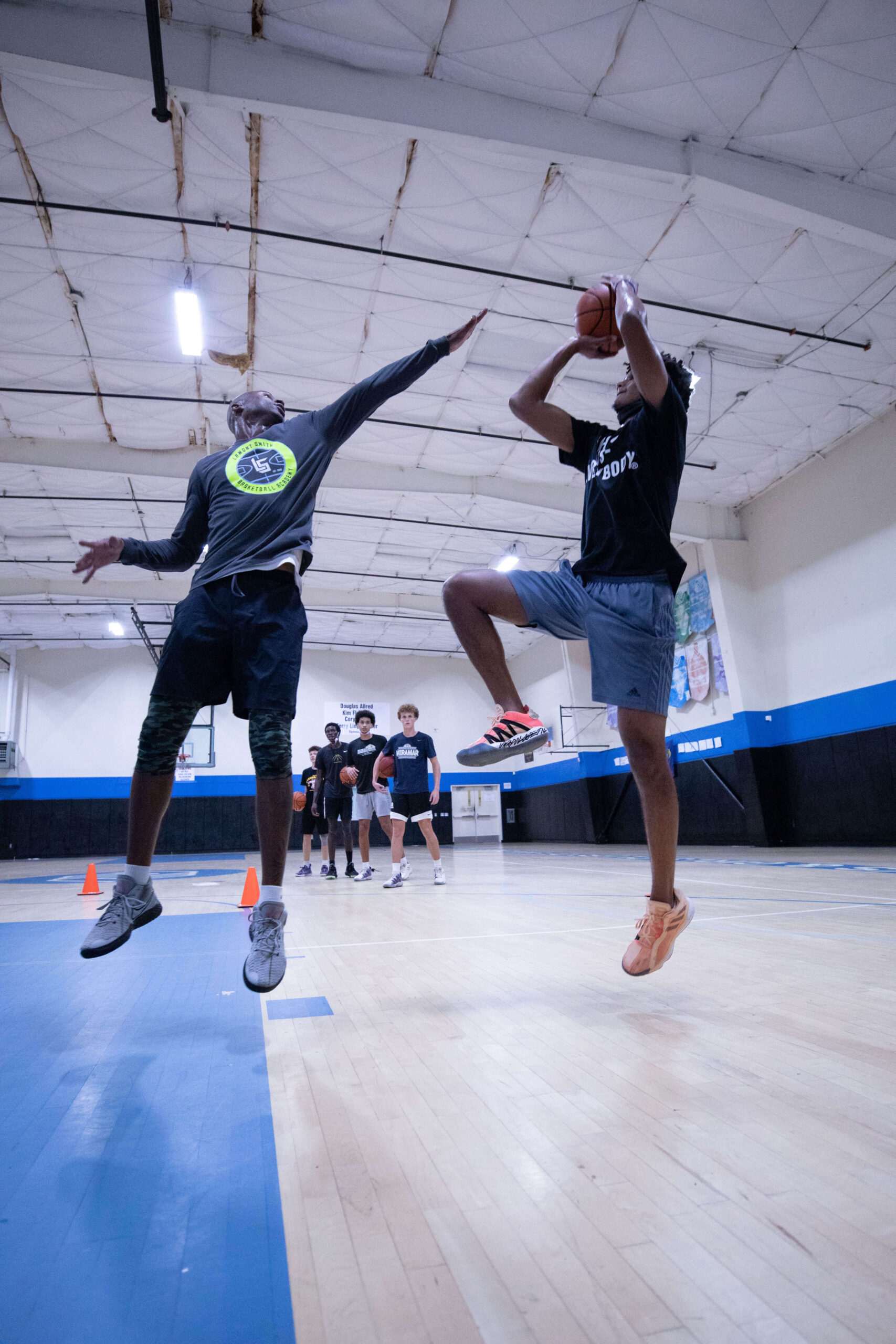
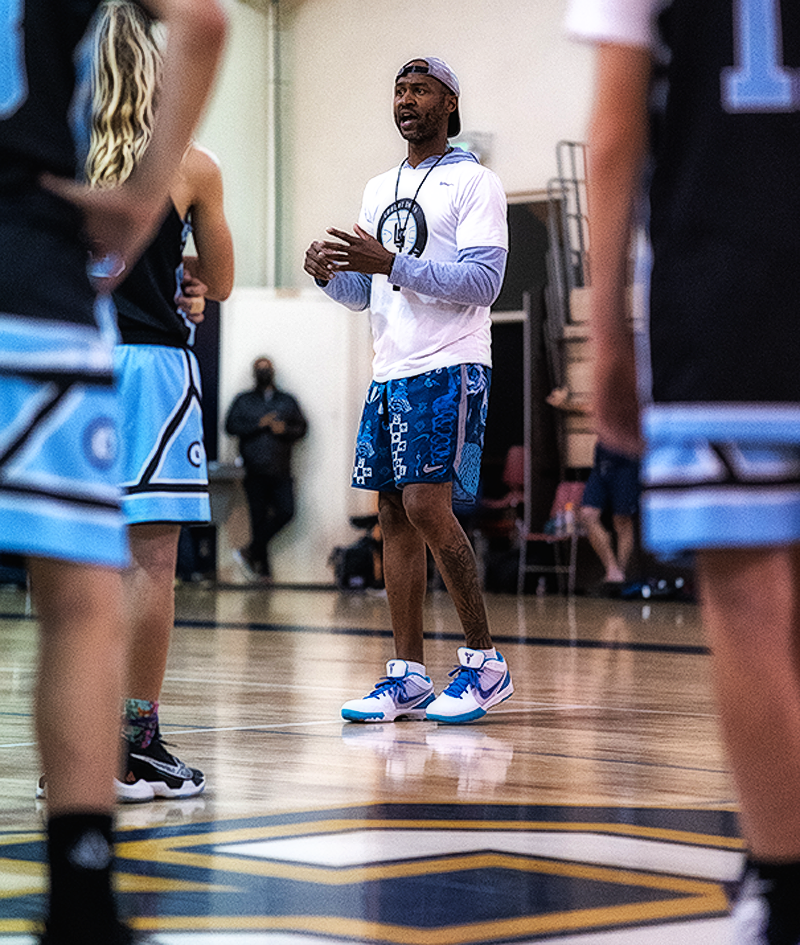
San Diego has never been a casual basketball town. The weather helps, the year-round training calendar helps even more, and the sheer number of gyms, trainers, leagues, and travel events creates a culture where motivated players rarely sit still for long. For families with serious goals, whether that means making a varsity roster as a freshman, earning minutes on a nationally respected high school team, or chasing college opportunities down the road, recreational basketball often stops being enough earlier than people expect.
That is where club basketball enters the picture. Families start looking at Basketball Club Teams San Diego not because they want to crowd a child’s schedule for the sake of appearances, but because they realize the game becomes more demanding every year. Better competition, better coaching, and better habits tend to matter most when a player reaches the age where raw athleticism no longer hides weaknesses. A tall fourth grader can dominate on effort alone. A seventh or eighth grader with ambitions in this sport usually cannot.
Parents often ask the same question in slightly different ways. Is club basketball really necessary? The honest answer is that not every child needs it. Plenty of players benefit more from local leagues, a strong school environment, and another year of physical growth. But competitive families are not really asking whether club is required in theory. They are asking whether it gives their child a better chance to improve in a serious basketball environment. In San Diego, the answer is often yes.
The level of competition changes the player
The clearest reason families choose club teams is simple. Stronger competition exposes the truth faster.
In lower-pressure leagues, a player can score 18 points and still learn very little. Maybe the defenders cannot slide laterally. Maybe the opposing guards never pressure the ball. Maybe no one punishes lazy closeouts, weak box-outs, or poor help-side positioning. That kind of environment can create confidence, but it can also create illusions. Club basketball has a way of stripping those away.
A player who looks polished on Sunday in a local rec league may spend the next weekend in a tournament struggling to get a clean catch on the wing. That can be hard on the ego, especially for families who are used to seeing their child stand out. But it is usually productive. Good competition forces better footwork, quicker decisions, stronger ball security, and a more realistic understanding of where a player stands.
I have seen this shift happen quickly. One family enrolled their son in a club program after two years of dominant local league play. In his first serious tournament, he learned that his right hand was usable but not reliable, and that his pull-up jumper disappeared when defenders fought over screens instead of dying on them. He came away frustrated. Three months later, after consistent practices and enough games against capable guards, he was a different player. Not because someone gave him a motivational speech, but because the game demanded it.
That is one of the strongest selling points of Basketball Club Teams San Diego. The city’s better programs do not just offer more games. They offer games that matter because the level reveals what training needs to happen next.
San Diego families value development, not just exposure
Exposure gets talked about constantly in youth sports, and often far too early. Families hear the word and imagine college coaches lining the baseline, clipboards in hand, evaluating a twelve-year-old. Real development usually matters more than early visibility.
Competitive families who stay in club basketball for the right reasons understand that improvement comes first. If a player cannot defend, cannot process the floor, or cannot contribute without the ball, no amount of tournament travel fixes that. Serious club programs know this. They build practices around decision-making, pace, spacing, pressure handling, transition defense, and role clarity. Those things are not glamorous. They are also what separates empty stats from dependable performance.
In San Diego, where basketball options are plentiful, experienced parents begin to look past flashy branding. They want to know who runs practice. They want to know whether skill work is actually integrated into team concepts. They want to know if the coach corrects details, if substitutions have a developmental purpose, and if players are expected to defend with discipline instead of simply outrunning weaker teams.
This matters because the best club experience is not measured by weekend medals alone. It is measured by what a player can do in six months that he or she could not do at the start of the season. Better balance on finishes. Better reads out of a pick and roll. Better timing as a weak-side shot blocker. Better communication on defensive switches. Those are the markers families should care about, and the stronger San Diego clubs tend to be the ones that deliver them.
The training environment becomes more serious
A lot of parents think the main difference between rec and club is travel. In reality, the biggest difference is daily standards.
Strong club teams create an environment where effort is assumed and details are policed. Players are expected to sprint into drills, communicate clearly, and take coaching without sulking through the next possession. This sounds basic, but it is often the line between a player who improves and one who plateaus.
When a child joins a serious team, he or she starts practicing alongside other kids who care deeply about the game. That changes things. It affects pace. It affects focus. It affects what is considered normal. Suddenly a casual warm-up feels lazy. A missed defensive rotation is called out immediately. A bad pass in a shell drill costs the group time and repetition. Standards become visible.
For competitive families, that is part of the appeal. They are not only buying into a schedule. They are buying into a culture. If a player spends several seasons around peers who love the work, strength and confidence often follow. So does resilience. Club basketball is full of uncomfortable moments: reduced minutes, rough weekends, better opponents, coaching corrections that sting a little. Families who want their kids to mature through sport often see those moments as part of the value.
Of course, not every club environment is healthy. Some are chaotic. Some overpromise. Some lean too hard on volume, piling on games while neglecting development. Families learn quickly that seriousness and quality are not the same thing. A packed calendar can look impressive and still leave a player undercoached and overtired.
School basketball alone often leaves gaps
San Diego has excellent school basketball in many pockets, but school seasons are finite and roster spots are limited. For younger players, school teams may not even be available yet. For older players, the school season can sharpen identity but rarely covers enough of the calendar to drive long-term growth on its own.
This is one reason Basketball Club Teams San Diego remain central to many families’ plans. Club seasons extend development through spring and summer, often the most important periods for player growth. During those months, athletes can rebuild mechanics, add strength, learn a new position, or prepare for the jump from middle school to high school competition.
I have watched players make enormous off-season leaps simply because they were placed in a better structure between school seasons. One wing spent her winter as an energy defender and rebounder on a solid varsity roster. In club season, her coaches expanded her responsibilities. She handled pressure, initiated offense, and developed a reliable corner three. By the following school year, she was no longer viewed as a role player. That kind of transition is hard to pull off in a short school season where coaches are trying to win immediately and do not always have the runway to broaden a player’s game.
Families who understand this use club basketball strategically. They do not view it as competition with the school program. They view it as the place where foundational work gets reinforced under game stress.
Better opponents sharpen the mental side of the game
Skill is easier to see than processing, but basketball is often decided by reads made a half-second sooner than the other team. Club basketball tends to sharpen those reads because opponents punish hesitation.
A good San Diego club player learns quickly that the game is not only about dribbling moves or vertical leap. It is about knowing when to cut, where the help defender is coming from, how to tag a roller without giving up a corner three, when to reverse the ball instead of forcing a drive, and how to survive a cold shooting stretch without drifting mentally. These lessons come faster when competition is strong enough to make each mistake expensive.
This is another reason ambitious families lean toward club. They want their child to think the game, not just play it. Watching a player grow from reactive to anticipatory is one of the most satisfying developments in youth basketball. It often starts when the pace of competition rises enough that instinct alone stops working.
Mental toughness grows there too. A club player might face three games in a day, a close finish in the second one, and foul trouble in the third. He or she might have to respond to a bad first half against a team with size and pressure. That is valuable experience. There is a big difference between performing when comfortable and performing when tired, challenged, and a little frustrated.
Geography matters in a city like San Diego
San Diego County is large enough that logistics shape every sports decision. Families in North County, East County, the South Bay, and central neighborhoods all deal with different commuting realities. That practical side matters more than outsiders realize.
A strong club can help a player, but a ninety-minute drive each way, three nights a week, can wear down the entire household. Siblings miss dinners. Homework slides. Parents burn out. Players arrive to practice already drained. Experienced families weigh these trade-offs carefully. They know the “best” team on paper is not always the best fit if the weekly rhythm becomes unsustainable.
The stronger Basketball Club Teams San Diego tend to understand this pressure. Some centralize practice locations. Some communicate tournament calendars early. Some make better use of gym time, which sounds minor until you have spent months leaving work early only to discover that practice starts late and ends without purpose.
Competitive families are usually willing to sacrifice time, but they still respect efficiency. A well-run program values that. Poor organization, by contrast, tends to push serious families away faster than a losing record ever could.
The right coach changes everything
Parents often start by evaluating brand name, tournament schedule, or social media presence. Those things are easy to see. Coaching quality takes more effort to judge, but it is usually the most important factor.
A strong youth coach teaches habits that travel with the player. How to land safely. How to defend without reaching. How to create passing angles. How to communicate on the weak side. How to recover after a turnover instead of staring at the referee. The best coaches also understand age and stage. They know when to simplify, when to challenge, and when a player needs confidence more than criticism.
Competitive families pay attention to tone. Does the coach instruct or just react? Do corrections help players improve, or do they create fear? Is accountability consistent across the roster, or reserved for kids lower in the pecking order? Those details matter because families are not just choosing a team. They are choosing the adult voices that will shape their child’s relationship with the sport.
The strongest clubs in San Diego tend to build loyalty because parents trust the teaching. They may not agree with every substitution or every result, but they can see progress. That trust is earned in practice, not in marketing.
Families also choose club for community
There is another reason club basketball works for many households, and it has less to do with recruiting or rankings than people assume. Serious teams often create a community of families who understand the demands of the sport.
That shared experience matters. When your weekends revolve around tip times, recovery, schoolwork in hotel lobbies, and postgame conversations in parking lots, it helps https://judahdlys231.nexorafield.com/posts/basketball-club-teams-san-diego-creating-opportunities-beyond-the-game to be around people who get it. Parents trade information about trainers, physical therapy, high school programs, and the realistic pace of player development. Players form friendships rooted in hard work and repetition rather than convenience.
This part of club basketball can be genuinely healthy when the culture is right. A player who feels supported by teammates and understood by the surrounding families is more likely to stick with difficult development periods. That support matters during growth spurts, shooting slumps, and role changes, all of which are common in adolescence.
Of course, community cuts both ways. In some settings, comparison becomes toxic. Parents talk too much about minutes, rankings, and who should be playing where. The best programs set a tone that discourages that noise. Competitive families usually notice the difference quickly.
The trade-offs are real, and smart families face them honestly
Club basketball is not a magic door. It costs money, time, and emotional energy. Uniforms, tournament fees, travel, training, shoes, and missed weekends add up. Some families can absorb that without strain. Many cannot, or can only do so with careful planning.
That financial reality deserves plain language. Choosing club means choosing priorities. It may also mean saying no to other activities, at least for a season. Even when the fit is good, the schedule can narrow family flexibility. There is also the risk of overidentifying with the sport too early. A child who enjoys basketball can still burn out if every month becomes a proving ground.
This is why experienced parents often ask practical questions before they commit:
- Will this team make my child better, not just busier?
- Is the coaching worth the cost and drive time?
- Does the schedule fit our family without constant stress?
- Is my child eager for this level of commitment?
- Can we reevaluate honestly if the fit is wrong?
Those questions save families from chasing status rather than substance. Sometimes the right answer is a highly competitive national schedule. Sometimes it is a more regional team with excellent coaching and fewer flights. Sometimes the best move is waiting six months until the player is physically or emotionally ready.
What separates a good fit from a bad one
The families who make wise decisions tend to look for patterns, not promises. They pay attention to how players behave on the bench, how coaches teach through mistakes, and how the team looks in the final game of a long weekend. Tired teams reveal culture. So do close losses.
A good fit often has a few recognizable features:
| What to watch | Healthy sign | Warning sign | |---|---|---| | Practice structure | Clear purpose, high reps, real teaching | Long lines, little correction, wasted time | | Game management | Players understand roles, adjustments happen | Confusion, panic substitutions, no teaching moments | | Player development | Improvement over months is visible | Same weaknesses persist all season | | Parent communication | Direct, timely, professional | Vague, reactive, inconsistent | | Team culture | Competitive and respectful | Drama, favoritism, sideline tension |
Families do not need perfection. Youth sports never offer that. But they do need evidence that the program knows what it is doing and respects the investment being made.
One of the best indicators is whether players return. In the stronger Basketball Club Teams San Diego, retention often says more than hype. Kids stay where they improve, feel challenged, and trust the adults leading them.
Why San Diego remains a strong club basketball market
San Diego continues to attract basketball families because the infrastructure supports year-round growth. There are enough players to build strong rosters, enough tournaments to test progress, and enough experienced coaches and trainers to create multiple pathways. A family does not have to guess whether serious basketball exists here. It clearly does.
That depth gives families options, which is both a gift and a complication. A decade ago, the question might have been whether club basketball was available at the right level. Now the question is which environment best matches the player’s goals, temperament, and stage of development.
For the family with a child who truly loves the game, who wants hard coaching, real competition, and a longer developmental runway, club basketball often becomes the obvious next step. Not because everyone else is doing it, and not because it guarantees a scholarship or a starting spot someday. It becomes the next step because serious players need serious environments.
That is why competitive families keep choosing it. They are not chasing noise. They are looking for a place where the game gets honest, where strengths are sharpened, weaknesses are addressed, and commitment means something. In a city like San Diego, the right club team can provide exactly that.
Lamont Smith Basketball Academy
888 Clairemont Mesa Blvd Suite T-2, San Diego, CA 92123
(619) 639-8778
FAQ About Basketball Club Teams San Diego
How can a player join an LSBA club team?
Players are evaluated during practices so the coaching staff can recommend an appropriate team and development level. Families should contact the academy to confirm current openings and evaluation details.
Are club teams available for newer basketball players?
Yes. LSBA describes multiple levels, including a developmental option for newer players as well as more competitive teams for athletes with prior club experience.
What do LSBA club team practices emphasize?
Practices emphasize basketball fundamentals, team defense, structure, communication, and player development. The specific focus may vary according to the team and experience level.
Do all LSBA teams travel?
Travel expectations vary by level. Some teams focus on local competition, while advanced teams may participate in tournaments elsewhere in Southern California or beyond. Families should confirm the current schedule before enrolling.